Generating Proposals and RFP Responses Faster
Generating Proposals and RFP Responses Faster
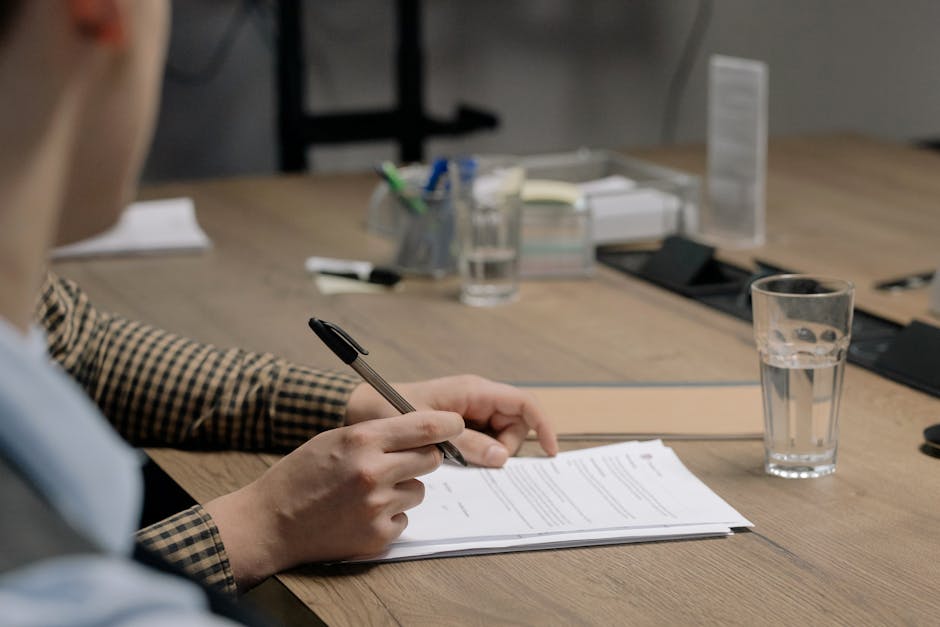
Photo by cottonbro studio on Pexels
Proposals and RFP (Request for Proposal) responses are where deals are won or lost. They're also some of the most time-consuming documents in sales, often taking 4-8 hours from scratch. AI can cut that to 30-60 minutes by generating a strong first draft you then refine.
AI for Sales Proposals: The Workflow
Step 1: Create a Proposal Knowledge Base
- Product/service descriptions (in detail)
- Pricing structure and packages
- 3-5 case studies or success stories
- Standard terms and conditions
- Company overview and differentiators
- Common objections and how you address them
- Previous winning proposals (anonymized)
Step 2: The Proposal Generation Prompt
Create a sales proposal for [COMPANY], a [INDUSTRY] company with [SIZE] employees.
Context: Main challenge: [PAIN POINT]. Desired outcome: [GOAL]. Budget: [IF KNOWN]. Timeline: [IF KNOWN]. Decision makers: [LIST].
Generate: 1. Executive Summary 2. Understanding of Their Needs 3. Proposed Solution 4. Scope of Work 5. Investment 6. Why Us 7. Case Study 8. Next Steps
Company info: [PASTE KNOWLEDGE BASE]. Tone: Professional, focused on THEIR outcomes.
Step 3: Review and Refine
- Verify accuracy: All pricing, deliverables, and terms must match your actual offerings
- Add specifics: Insert details from your discovery call AI didn't have
- Adjust tone: Match the prospect's company culture
- Format professionally: Move content into your proposal template with branding
- Proofread: AI can occasionally repeat phrases; read aloud to catch issues
AI for RFP Responses: The System
RFPs are formal documents where buyers ask vendors to answer specific questions about their products, services, and capabilities. RFPs can have 50-200+ questions with strict deadlines. AI is a game-changer here.
Step 1: Create an RFP Answer Library
Maintain a document with pre-written answers to common RFP questions: company overview, security certifications, pricing models, implementation methodology, support and SLA details, integration capabilities, data handling and privacy policies.
Step 2: The RFP Response Prompt
I need to respond to an RFP from [COMPANY]. Questions: [PASTE RFP QUESTIONS]
Using my answer library below, draft responses. Answer the specific question, match the RFP tone, be specific about capabilities, if we can't do something say so honestly, keep concise.
Answer Library: [PASTE YOUR LIBRARY]
Step 3: RFP Review Checklist
- Every question is answered (no blanks)
- Answers match formatting requirements
- No contradictions between answers
- Pricing matches your approved rate card
- Compliance answers verified by legal/compliance team
- All claims about capabilities are accurate (AI can overstate)
The 70% Rule for AI-Generated Proposals
AI gets you about 70% of the way. The remaining 30% is where you add the human elements that win deals: specific details from conversations, tailored recommendations, relationship-building language, and the confidence from knowing your prospect's business.
Think of AI as your proposal co-pilot: it handles structure, first draft, and repetitive sections. You handle strategy, customization, and final polish.
Key Takeaway
AI cuts proposal creation from 4-8 hours to 30-60 minutes. Build a knowledge base, use AI for the first draft, then add the human elements that win deals. For RFPs, maintain an answer library and always verify accuracy.
Want to streamline your proposal process with AI? Visit beawit.net or call 360-399-6834.
Generating Proposals and RFP Responses Faster
Photo by cottonbro studio on Pexels
Proposals and RFP (Request for Proposal) responses are where deals are won or lost. They're also some of the most time-consuming documents in sales, often taking 4-8 hours from scratch. AI can cut that to 30-60 minutes by generating a strong first draft you then refine.
AI for Sales Proposals: The Workflow
Step 1: Create a Proposal Knowledge Base
- Product/service descriptions (in detail)
- Pricing structure and packages
- 3-5 case studies or success stories
- Standard terms and conditions
- Company overview and differentiators
- Common objections and how you address them
- Previous winning proposals (anonymized)
Step 2: The Proposal Generation Prompt
Create a sales proposal for [COMPANY], a [INDUSTRY] company with [SIZE] employees.
Context: Main challenge: [PAIN POINT]. Desired outcome: [GOAL]. Budget: [IF KNOWN]. Timeline: [IF KNOWN]. Decision makers: [LIST].
Generate: 1. Executive Summary 2. Understanding of Their Needs 3. Proposed Solution 4. Scope of Work 5. Investment 6. Why Us 7. Case Study 8. Next Steps
Company info: [PASTE KNOWLEDGE BASE]. Tone: Professional, focused on THEIR outcomes.
Step 3: Review and Refine
- Verify accuracy: All pricing, deliverables, and terms must match your actual offerings
- Add specifics: Insert details from your discovery call AI didn't have
- Adjust tone: Match the prospect's company culture
- Format professionally: Move content into your proposal template with branding
- Proofread: AI can occasionally repeat phrases; read aloud to catch issues
AI for RFP Responses: The System
RFPs are formal documents where buyers ask vendors to answer specific questions about their products, services, and capabilities. RFPs can have 50-200+ questions with strict deadlines. AI is a game-changer here.
Step 1: Create an RFP Answer Library
Maintain a document with pre-written answers to common RFP questions: company overview, security certifications, pricing models, implementation methodology, support and SLA details, integration capabilities, data handling and privacy policies.
Step 2: The RFP Response Prompt
I need to respond to an RFP from [COMPANY]. Questions: [PASTE RFP QUESTIONS]
Using my answer library below, draft responses. Answer the specific question, match the RFP tone, be specific about capabilities, if we can't do something say so honestly, keep concise.
Answer Library: [PASTE YOUR LIBRARY]
Step 3: RFP Review Checklist
- Every question is answered (no blanks)
- Answers match formatting requirements
- No contradictions between answers
- Pricing matches your approved rate card
- Compliance answers verified by legal/compliance team
- All claims about capabilities are accurate (AI can overstate)
The 70% Rule for AI-Generated Proposals
AI gets you about 70% of the way. The remaining 30% is where you add the human elements that win deals: specific details from conversations, tailored recommendations, relationship-building language, and the confidence from knowing your prospect's business.
Think of AI as your proposal co-pilot: it handles structure, first draft, and repetitive sections. You handle strategy, customization, and final polish.
Key Takeaway
AI cuts proposal creation from 4-8 hours to 30-60 minutes. Build a knowledge base, use AI for the first draft, then add the human elements that win deals. For RFPs, maintain an answer library and always verify accuracy.
Want to streamline your proposal process with AI? Visit beawit.net or call 360-399-6834.
There are no comments for now.
to be the first to leave a comment.